
16th November 2026
The automotive landscape is undergoing a significant transformation. As drivers look for ways to reduce their carbon footprint and lower their running costs, electrified vehicles have moved from a niche market into the mainstream. However, for drivers transitioning from traditional petrol or diesel cars to electrified powertrains, the terminology can be overwhelming. With acronyms like MHEV, HEV, and PHEV dominating brochures and showrooms, making an informed decision requires clear and accessible information.
If you want to understand how hybrid cars work, the answer comes down to how petrol and electricity team up to optimise efficiency. At Suzuki, we believe in demystifying this technology. Electrification should be simple, and it certainly should not compromise the joy of driving.
In this comprehensive guide, we will explore the fundamental mechanics of hybrid technology. We will clearly differentiate between self-charging systems and plug-in hybrids. By explaining how these different systems operate across Suzuki’s current new Mild Hybrid lineup and pre-owned Suzuki Approved Used range, we aim to provide you with all the knowledge you need to choose the right vehicle for your needs.
Before diving into the specific types of hybrid vehicles, it is important to understand the basic principles behind how hybrid engines work. In a conventional car, an internal combustion engine burns fossil fuel, typically petrol or diesel, to generate the mechanical power needed to turn the wheels. While modern combustion engines are highly advanced, they still lose a significant amount of energy as heat, particularly during braking.
A hybrid vehicle improves upon this traditional setup by pairing the internal combustion engine with an electric motor and a dedicated battery pack. The primary goal of this partnership is simple: teamwork. The electric motor assists the petrol engine during phases where combustion is least efficient, such as accelerating from a standstill or climbing steep hills. By sharing the workload, the engine consumes less fuel and produces fewer tailpipe emissions.
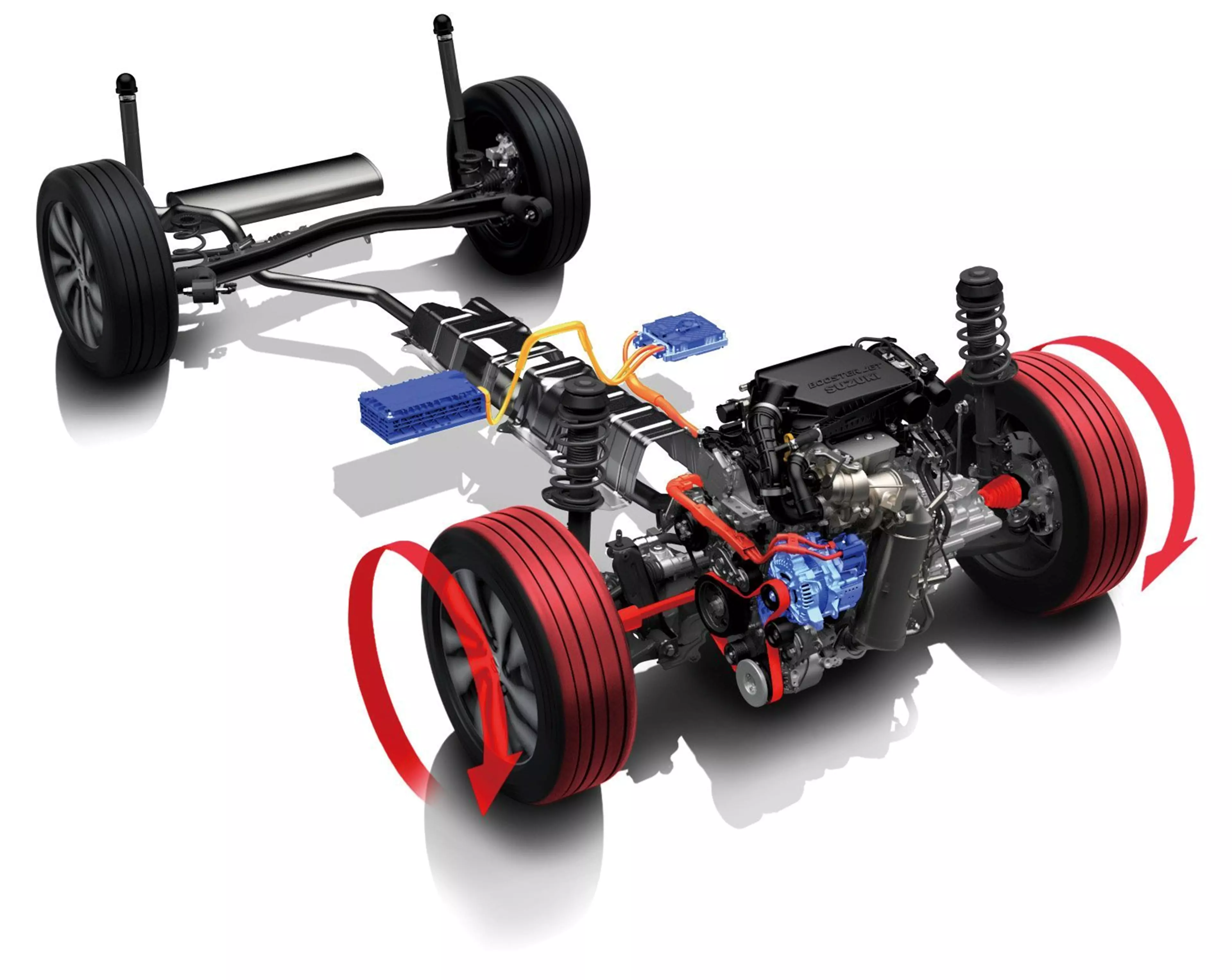
A vital component of all hybrid systems is regenerative braking. When you brake in a standard car, the energy created by slowing down is lost as heat. Hybrid vehicles capture this otherwise lost energy. When you lift your foot off the accelerator or press the brake pedal, the electric motor temporarily acts as a generator. It converts the kinetic energy of the slowing vehicle into electrical energy, which is then sent back to recharge the hybrid battery. This intelligent energy recycling is what makes hybrids so remarkably efficient in stop-start urban traffic.
When comparing a hybrid vehicle to a traditional petrol car, the primary difference lies in energy efficiency. A conventional internal combustion engine operates entirely on its own, meaning it consumes the most fuel when accelerating from a standstill and loses kinetic energy as heat whenever you apply the brakes.
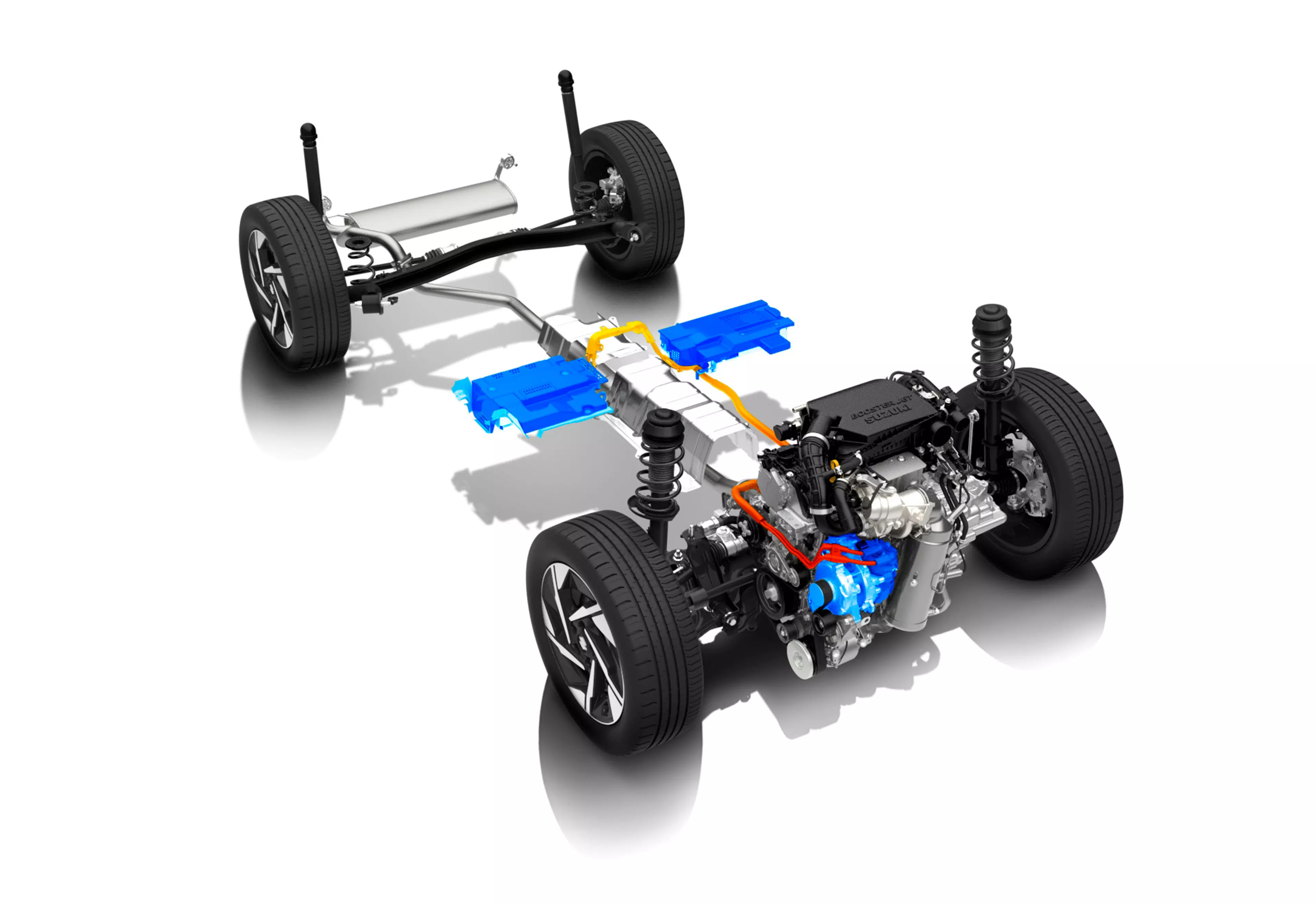
A hybrid vehicle addresses these inefficiencies by introducing an electric motor and a dedicated battery. In Suzuki’s Mild Hybrid Car Range, the electric motor provides electrical assistance during acceleration, to reduce the engine's overall workload, and increase fuel efficiency. Furthermore, hybrid systems feature regenerative braking, capturing the energy usually lost during deceleration and converting it into electricity to recharge the battery.
The result is a smoother driving experience, lower emissions, and improved fuel economy compared to a conventional petrol car, all without needing to alter how you drive or refuel.

Understanding the fundamental concept of a Mild Hybrid Electric Vehicle (MHEV) comes down to subtle electrical assistance rather than pure electric driving. As a self-charging system, an MHEV does not require you to plug into a mains electricity supply. You simply fill up with petrol and drive exactly as you always have.
Instead of a conventional alternator, our MHEV system features an Integrated Starter Generator. This component serves a dual purpose. Firstly, it acts as a highly efficient generator to harvest energy during deceleration. Secondly, it operates as an electric motor to assist the petrol engine during acceleration.
In both 12V and 48V iterations, the MHEV system cannot drive the car on electric power alone. The electric motor is purely there to assist the petrol engine, resulting in a smooth drive and excellent fuel economy without changing your daily habits.
Hybrid Electric Vehicles, abbreviated as HEVs, are commonly referred to as Full Hybrids or Self-Charging Hybrids. Like an MHEV, a Full Hybrid is entirely self-charging and requires no external cables or charging points. The battery is replenished exclusively through the petrol engine and regenerative braking.
The key difference between a Mild Hybrid and a Full Hybrid lies in the size of the battery and the power of the electric motor. A HEV features a larger, higher-capacity lithium-ion battery and a much more robust electric Motor Generator Unit. Because this electric motor is significantly stronger, Full Hybrid vehicles can propel themselves using only electric power for short distances and at lower speeds.
When navigating slow-moving city traffic or parking, the Full Hybrid system can automatically shut down the petrol engine and glide forward in pure electric mode, producing zero tailpipe emissions and near-silent operation. Once you demand more acceleration or the battery charge drops, the petrol engine seamlessly restarts and takes over, with the electric motor returning to an assisting role.
While Suzuki’s current new car hybrid range is focused exclusively on Mild Hybrid technology, Full Hybrid models, such as the Vitara Full Hybrid and Swace, remain accessible as pre-owned models through the Suzuki Approved Used network.
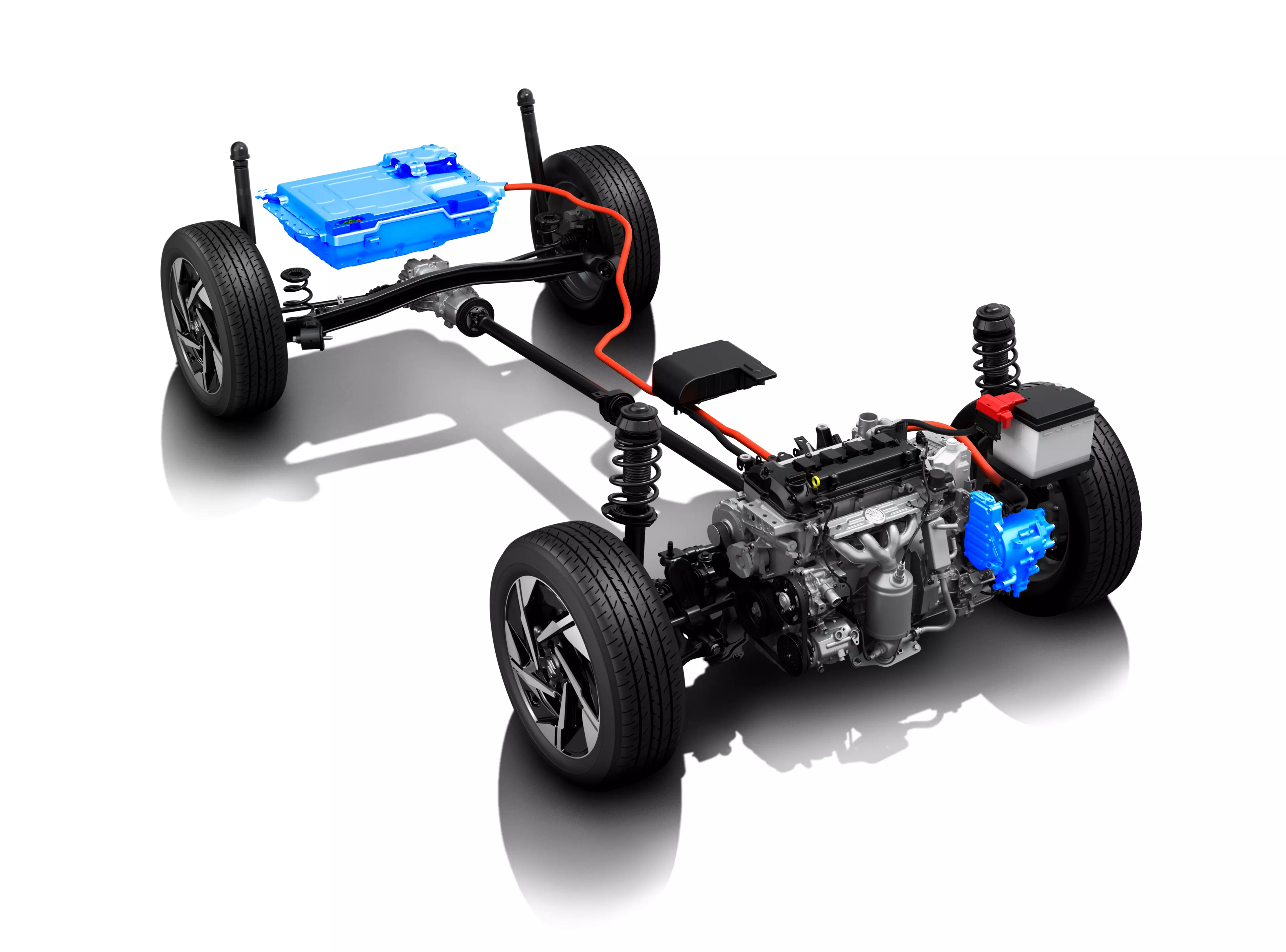
A Plug-in Hybrid Electric Vehicle, or PHEV, bridges the gap between hybrid driving and fully electric motoring. Unlike self-charging hybrids, plug-in hybrid vehicles feature a high-capacity battery that must be connected to an external power source, such as a dedicated home wallbox or public charging station, to fully recharge. A PHEV utilizes a significantly larger battery pack and a higher-output electric motor than both MHEV and HEV models. This allows the vehicle to operate on zero-tailpipe-emission electric power alone for extended periods of time. Once the battery charge drops to a threshold level, the vehicle automatically transitions into standard hybrid operation. High-specification plug-in hybrid vehicles like the Suzuki Across remain available as pre-owned models through the Suzuki Approved Used network.
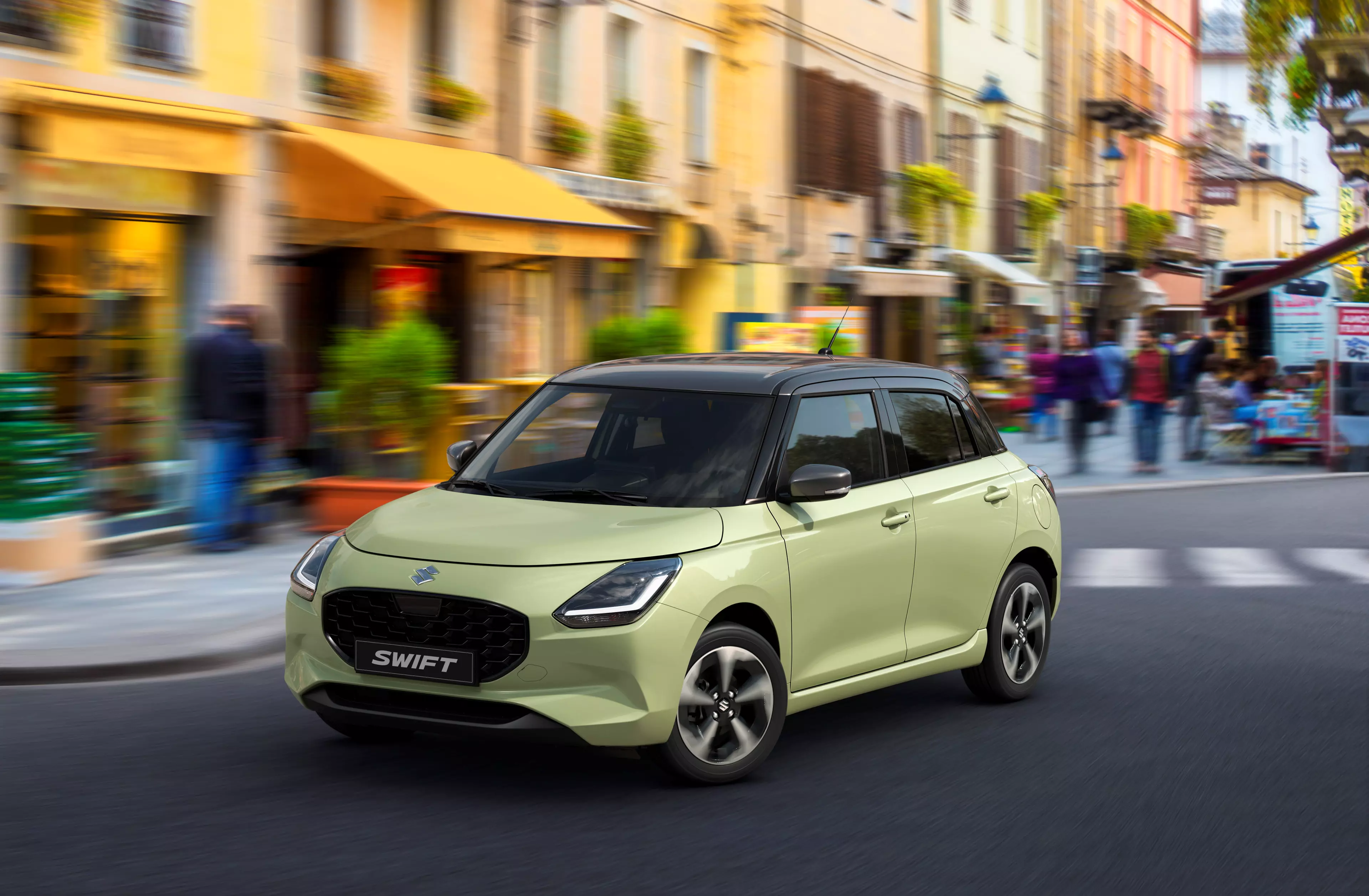
For daily drivers, these efficiency gains directly reduce running costs. While conventional petrol engines struggle with heavy fuel consumption in stop-start urban traffic, Suzuki’s Mild Hybrids offset this load using electric power assistance, achieving official combined WLTP figures of up to 64.2mpg* for the Suzuki Swift Mild Hybrid. In real-world urban driving, where regenerative braking continually recharges the battery, drivers notice the biggest savings during short, congested city trips.
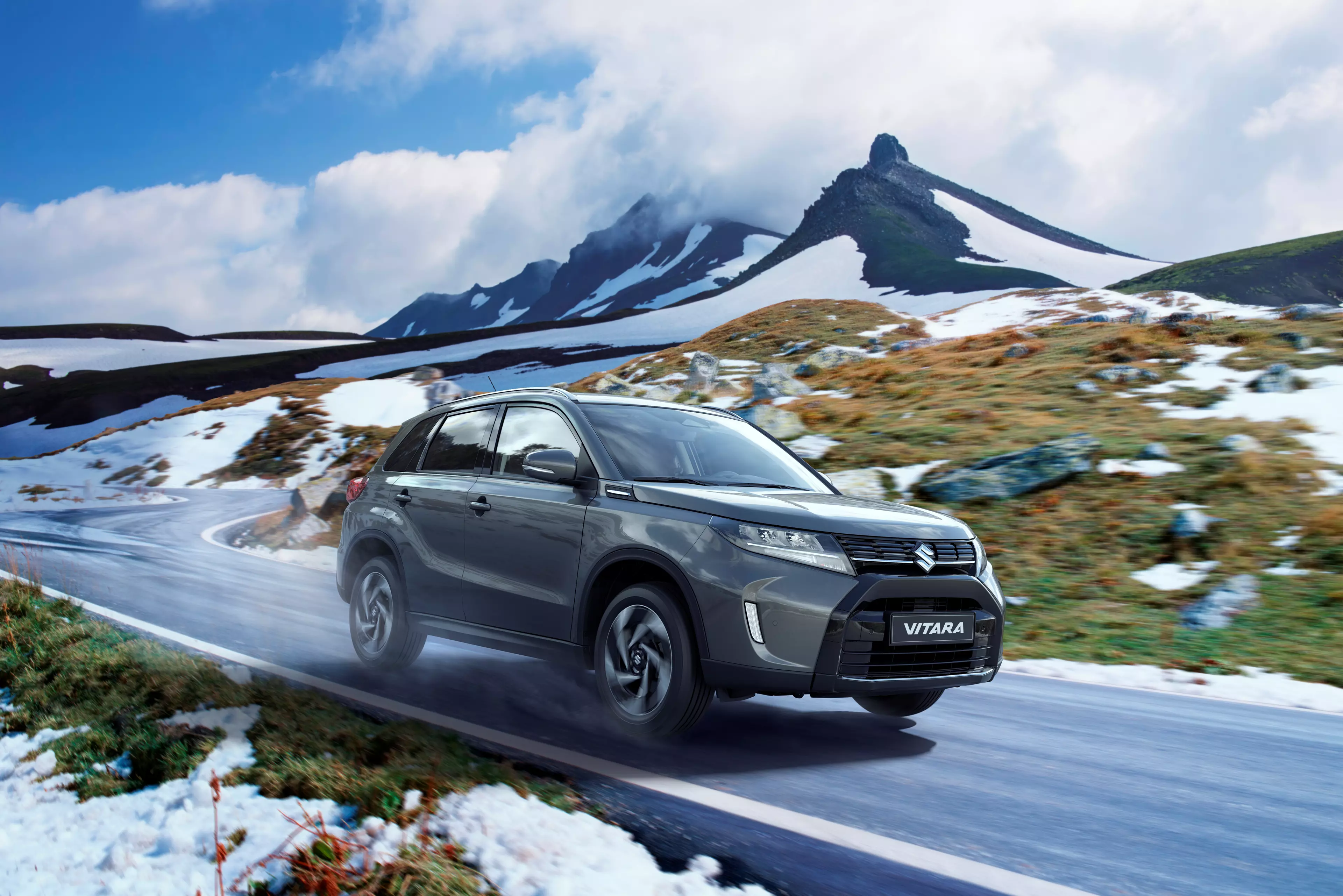
To help clarify the transition to hybrid technology, we have answered some of the most common questions prospective buyers have about driving and maintaining electrified vehicles.
Making the switch to an electrified vehicle is a smart choice for lowering your daily running costs, enhancing driving comfort, and reducing emissions compared to equivalent non-electrified petrol or diesel vehicles. Whether you are looking for the seamless, plug-free efficiency of Suzuki's current Mild Hybrid new car lineup, or exploring pre-owned Full Hybrid and Plug-in Hybrid options through Suzuki Approved Used, understanding the technology ensures you find the perfect match for your driving habits.
Suzuki’s electrified range proves that transitioning to hybrid technology does not mean sacrificing capability, affordability, or driving enjoyment. If you are ready to experience the smooth responsiveness and impressive fuel economy of a Suzuki hybrid, take the next step today. Explore our new Mild Hybrid range online, browse Approved Used models, or Find a Dealer near you to book a test drive and experience the hybrid difference firsthand.
*Official WLTP fuel economy and CO₂ results for the Suzuki Swift range. Mpg (l/100km) (combined): 57.6 (4.9) to 64.2 (4.4). CO₂ emissions: 110 to 99 g/km. Figures shown are for comparability purposes; only compare fuel consumption and CO₂ figures with other cars tested to the same technical procedures. These figures may not reflect real life driving results, which will depend on a number of factors including the accessories fitted (post-registration), variations in weather, driving styles and vehicle load.
Share this article
16th November 2026